

Legumes in Iranian Cuisine
- 11 Min Read
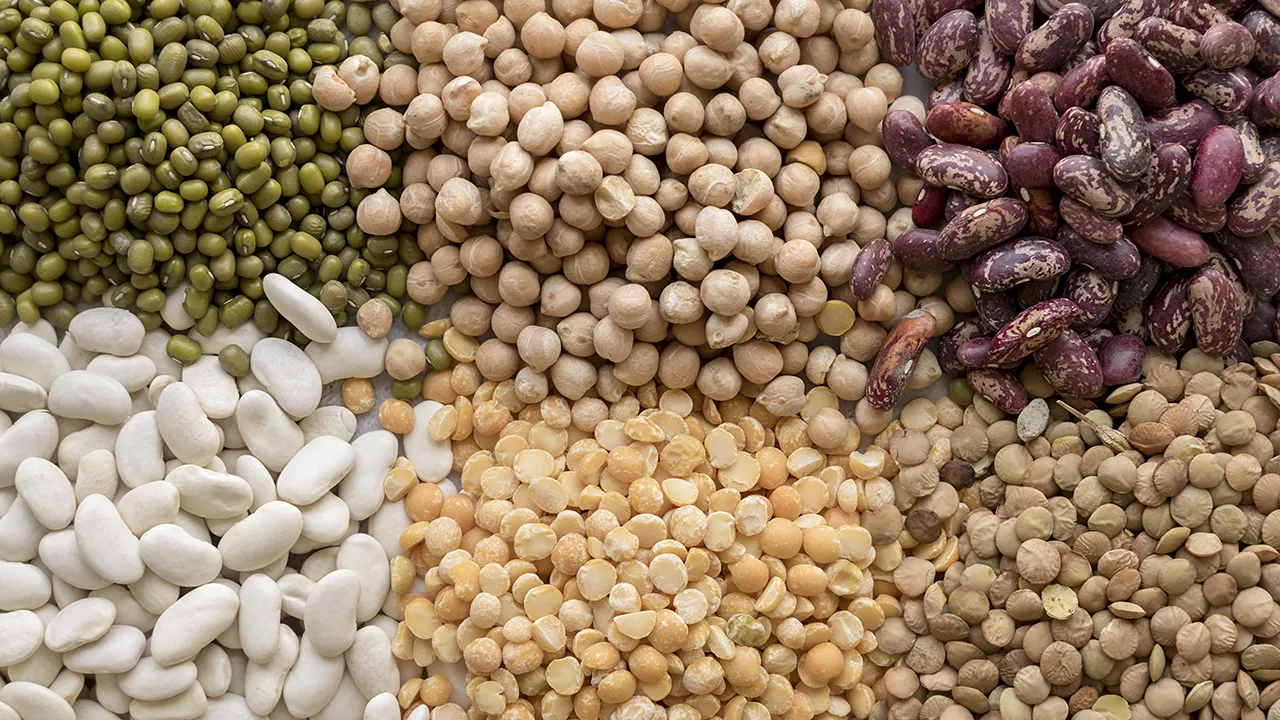
From Ancient Tables to Modern Plates
Introduction: The Story of Seeds That Built Civilizations
When the tantalizing aroma of ash reshteh or ghormeh sabzi wafts from the kitchen, we rarely pause to consider that the lentils or beans in these dishes play a role far beyond mere flavor. These humble yet remarkable seeds have graced Iranian tables for millennia, serving not just as culinary delights but as the very foundation of nutrition and health for the people of this ancient land.
Archaeological excavations across Iran’s historic sites have unearthed evidence of agriculture and crop cultivation dating back millennia before the Common Era. These discoveries reveal that the inhabitants of this region were intimately familiar with farming and utilized agricultural products, including legumes, as integral components of their daily diet.
Why Legumes? A Look at Their Exceptional Nutritional Value
Plant-Based Protein: A Worthy Alternative to Meat
Legumes are recognized as the richest source of plant-based protein. Dried legumes contain an average of 23% protein—a remarkably high amount compared to other agricultural crops[1]. Lentils contain approximately 25%, chickpeas 22%, and various beans range between 21-24% protein[1,2].
The fascinating aspect is that while legume protein has limitations due to deficiency in sulfur-containing amino acids like methionine and cysteine[3,6], when combined with grains such as rice, it forms a complete protein with high biological value[3]. This is the secret that has transformed Iranian stews and soups into nutritionally balanced and complete meals.
Complex Carbohydrates: Sustained Energy for the Body
Legumes contain an average of 60% carbohydrates, predominantly complex and slowly digestible[1,10]. This characteristic makes them an ideal food for diabetics and those pursuing weight management. The glycemic index (GI) of legumes is remarkably low—typically between 10-40[8,17]—a striking contrast to white rice with an index of 70-90.
Fiber: Your Digestive System’s Best Friend
One of the most outstanding features of legumes is their exceptionally high fiber content. Legumes contain an average of 15.5% dietary fiber[1]. A half-cup serving of cooked legumes provides approximately 7-9 grams of fiber[8,17], meeting a significant portion of daily requirements. This fiber exists in two forms:
Soluble fiber helps control cholesterol and blood sugar. This type of fiber binds to bile acids in the intestine, forcing the liver to use more cholesterol to produce new bile acids, consequently reducing blood cholesterol levels[23].
Insoluble fiber promotes regular bowel movements, prevents constipation, and by accelerating the passage of waste through the intestine, reduces the risk of colorectal cancer[3].
Micronutrients: A Treasure Trove of Vitamins and Minerals
Legumes are an excellent source of minerals and B vitamins[2,8]:
- Iron: Legumes, especially lentils, are among the best plant-based iron sources. Lentils can contain up to 5.8 mg of iron per 100 grams[10], providing a substantial portion of daily requirements.
- Folate (Vitamin B9): Legumes are rich in folate, essential for DNA synthesis, cell division, and particularly crucial for pregnant women[3,8].
- Magnesium and Potassium: Critical for nerve and muscle function, blood sugar regulation, and blood pressure control[2,8].
- Zinc: Important for immune system function, wound healing, and protein synthesis[10].
Phytochemicals: Guardians of Health
Legumes are rich in bioactive plant compounds with antioxidant, anti-inflammatory, and anticancer properties. These compounds include flavonoids, saponins, and polyphenols, with content ranging from 15 to 284 mg per 100 grams[2,10].
Legumes in Traditional Iranian Medicine: Ancient Wisdom
In traditional Iranian medicine, shaped by the teachings of physicians like Ibn Sina (Avicenna), Razi (Rhazes), and Al-Biruni, legumes held a special place. These scholars attributed different therapeutic properties to various legumes based on the theory of temperaments:
Lentils, described in Ibn Sina’s “Canon of Medicine” as nourishing yet heavy, were recommended for strengthening the stomach and combating physical weakness. He also noted that lentils should be consumed with aromatic herbs like mint and coriander to reduce their heaviness.
Chickpeas, with their warm and dry temperament, were recommended for enhancing vitality, relieving coughs, and clearing liver and spleen obstructions. Chickpea cooking water was considered beneficial for blood purification and kidney stone dissolution.
Fava beans, with their cold and moist temperament, were used to soothe inflammation, reduce fever, and treat skin wounds.
Mung beans, with their moderate temperament tending toward coolness, were recommended for quenching thirst, cooling the body, and reducing fever. Mung bean soup is still prepared in some Iranian regions for patients during convalescence.
The Historical Journey of Legumes in Iranian Cuisine
Ancient Times: The Beginning of an Enduring Relationship
Archaeological evidence shows that during the Neolithic period, agriculture began on the Iranian plateau, with legumes among the plants that received attention. Numerous ancient sites in Iran demonstrate the advanced agricultural culture of this region. These sites reveal that ancient Iranian societies possessed sophisticated food production systems and extensive trade networks.
The Islamic Era: Diversity and Expansion
Following Islam’s arrival in Iran, Iranian cuisine interacted with other cultures, giving rise to diverse dishes. Historical texts and medieval manuscripts reference various soups and stews featuring legumes, demonstrating the importance of these ingredients in Iranian cuisine.
Ash reshteh, one of Iran’s most iconic dishes, combines lentils, beans, chickpeas, and noodles—a prime example of Iranian mastery in combining legumes with other ingredients. This soup is not only delicious but also nutritionally complete.
Abgoosht, a beloved Iranian dish, exemplifies the clever combination of legumes (typically chickpeas and white beans) with meat, potatoes, and tomatoes, creating a complete and nourishing meal.
The Contemporary Era: Returning to Nutritional Values
In recent decades, with increasing nutritional awareness and focus on plant-based and semi-vegetarian diets, legumes have regained attention as “superfoods”[1,3,7]. Scientific research has confirmed legumes’ role in preventing chronic diseases[17,25].
The Role of Legumes in Traditional Iranian Dishes
Ash (Traditional Soups): Symbols of Unity and Diversity
In Iranian culture, ash represents more than just food—it’s a symbol of solidarity and kindness. Legumes form the foundation of all Iranian soups:
Ash reshteh: A combination of lentils, black-eyed peas, chickpeas, split peas, and noodles, garnished with aromatic herbs and kashk (fermented whey). This soup exemplifies nutritional balance—protein from legumes, carbohydrates from noodles and rice, vitamins and minerals from herbs.
Ash-e shole ghalamkar Shirazi: Made with white beans, lentils, and rice prepared in the distinctive Shirazi style, showcasing the geographical diversity of Iranian soups.
Ash-e doogh: Featuring split peas and chickpeas cooked with yogurt and aromatic herbs—a delicious dish beneficial for the digestive system.
Khoresh (Stews): The Marriage of Legumes with Spices and Herbs
Ghormeh sabzi: Perhaps Iran’s most famous stew, featuring red beans (or pinto beans), aromatic herbs, and dried lime. The beans not only provide additional protein but also absorb the flavors of herbs and spices, giving the stew its distinctive texture.
Khoresh-e gheymeh: Made with chickpeas and ground meat, flavored with tomato paste and turmeric. The chickpeas add nutritional value while providing a delightful texture.
Polos and Dami (Rice Dishes)
Baghala polo: A spring combination of fresh fava beans, dill, and rice with a distinctive aroma and flavor. Fresh fava beans are an excellent source of vitamin C, folate, and fiber.
Lubia polo: Made with pinto beans, meat, and tomato paste—one of Iran’s most popular home-cooked dishes.
Adas polo: Featuring lentils, dates, and raisins in a sweet-savory combination popular in southern Iran.
Haleem: Strength and Energy
Haleem: Made from wheat, beans (or chickpeas), and meat, stirred for hours until achieving a thick, uniform consistency. This dish is ideal for patient convalescence and high energy provision.
The Role of Legumes in Health: Contemporary Scientific Evidence
Diabetes Control and Blood Sugar Management
Numerous studies demonstrate that regular legume consumption can aid blood sugar control. In a randomized clinical trial of 121 type 2 diabetic patients, a low glycemic index diet including one cup of legumes daily resulted in a 0.5% reduction in glycated hemoglobin (HbA1c)[12,17]. Additionally, a meta-analysis of 41 clinical studies showed that legume consumption improves blood sugar control and reduces fasting insulin[20].
This effect stems from legumes’ high fiber content and low glycemic index[14,17]. Low glycemic index diets containing legumes have been associated with a 20-44% reduction in type 2 diabetes risk[14].
Cardiovascular Health
Legumes are recognized as among the best foods for heart health. The NHANES study, following 9,632 individuals for 19 years, demonstrated that legume consumption significantly reduces cardiovascular disease risk[24,26]. A meta-analysis of 26 observational studies showed that high legume consumption is associated with a 6% reduction in cardiovascular disease risk and a 10% reduction in coronary artery disease risk[22,27].
Legumes support heart health through multiple pathways[23,25,28]:
- Cholesterol reduction: A meta-analysis of 10 clinical studies showed that legume consumption significantly reduces total cholesterol and LDL cholesterol[23,30]. This reduction occurs through soluble fiber in legumes binding to bile acids in the intestine[23].
- Blood pressure reduction: Due to high potassium and magnesium content and low sodium, legumes help control blood pressure[28,30].
- Inflammation reduction: Antioxidants and anti-inflammatory compounds in legumes help reduce systemic inflammation[2,3].
Weight Management and Appetite Control
Despite relatively high energy density, legumes aid weight loss. The protein and fiber in legumes promote long-lasting satiety[8,17]. In NHANES data analysis, adults who consumed legumes had lower body weight and significantly reduced obesity likelihood[8].
Studies have shown that legume-rich diets, such as the Mediterranean diet, are associated with weight loss and better weight control[8,25].
Cancer Prevention
Phytochemicals in legumes, particularly flavonoids, saponins, and polyphenols, possess anticancer properties[2,3]. Observational studies have shown that regular legume consumption is associated with reduced risk of colorectal, breast, and prostate cancers[3,20].
Fiber in legumes prevents colorectal cancer by accelerating intestinal transit and producing short-chain fatty acids (like butyrate) with anticancer properties[3,19].
Gut Health and Microbiome
Legumes are an excellent source of prebiotics—compounds that nourish beneficial gut bacteria. Oligosaccharides in legumes serve as primary food for beneficial probiotic bacteria[1,5]. A diverse, healthy microbiome is associated with overall health, strong immunity, and better mental health[3].
Conclusion: A Culinary Heritage Validated by Science
Legumes in Iranian cuisine are no accident but the result of thousands of years of experience and wisdom. What our ancestors knew instinctively and empirically has now been confirmed by modern nutritional science: legumes are among the most complete, cost-effective, and sustainable food sources in the world[1,3,7].
Nutritionally, legumes offer a complete package of nutrients with 20-35% protein, 60% complex carbohydrates, 15% fiber, and abundant minerals[1,2]. Their low glycemic index (10-40) combined with high fiber content makes them ideal for diabetes management, heart health, and weight control[12,17,22].
From grandmothers’ ash reshteh to Friday’s ghormeh sabzi, from morning haleem to afternoon abgoosht, legumes have always been at the heart of Iranian cuisine. They not only satisfy hunger but contribute to heart health[22,23,24], blood sugar control[11,12,17], weight management[8], and chronic disease prevention[3,20,25].
Contemporary research shows that increased legume consumption is associated with a 22% reduction in heart disease risk[24], improved blood sugar control in diabetics[12,17], and cholesterol reduction[23]. These findings provide scientific validation of the wisdom in Iranian food traditions that recognized legumes as the cornerstone of healthy nutrition centuries before modern science.
In a world seeking sustainable and healthy food sources, perhaps it’s time to return to these simple seeds that were the original superfoods long before modern superfoods existed. The Iranian table with its legumes represents not only our cultural heritage but also a model for healthy nutrition of the future[7].
References
[1] Affrifah NS, et al. Legume Science. 2023;5(3):e182.
[2] Guevara-Arauza JC, et al. Nutrients and Food Components in Health Promotion. 2018.
[3] Rebello CJ, et al. Obes Rev. 2014;15(5):392-407.
[5] Mudryj AN, et al. Appl Physiol Nutr Metab. 2014;39(11):1197-1204.
[6] Boye J, et al. Food Res Int. 2010;43(2):414-431.
[7] Marinangeli CPF, Jones PJH. Br J Nutr. 2012;108(S1):S94-S102.
[8] Mitchell DC, et al. J Am Diet Assoc. 2009;109(5):909-913.
[10] Dahl WJ, et al. Br J Nutr. 2012;108(S1):S3-S10.
[11] Sievenpiper JL, et al. Diabetologia. 2009;52(8):1479-1495.
[12] Jenkins DJA, et al. Arch Intern Med. 2012;172(21):1653-1660.
[14] Barclay AW, et al. Am J Clin Nutr. 2008;87(3):627-637.
[17] Viguiliouk E, et al. Nutrients. 2015;7(12):9804-9824.
[19] Campos-Vega R, et al. Food Res Int. 2010;43(2):461-482.
[20] Aune D, et al. Ann Oncol. 2009;23(6):1394-1402.
[22] Bazzano LA, et al. Arch Intern Med. 2001;161(21):2573-2578.
[23] Anderson JW, Major AW. Br J Nutr. 2002;88(S3):263-271.
[24] Papanikolaou Y, Fulgoni VL. J Am Coll Nutr. 2008;27(5):569-576.
[25] Ros E. Am J Clin Nutr. 2009;89(5):1649S-1656S.
[26] Becerra-Tomás N, et al. Clin Nutr. 2018;37(3):906-913.
[27] Afshin A, et al. Am J Clin Nutr. 2014;100(1):278-288.
[28] Jayalath VH, et al. Am J Hypertens. 2014;27(5):654-664.
[30] Ha V, et al. CMAJ. 2014;186(8):E252-E262.
Journal Abbreviations:
- Obes Rev = Obesity Reviews
- Appl Physiol Nutr Metab = Applied Physiology, Nutrition, and Metabolism
- Food Res Int = Food Research International
- Br J Nutr = British Journal of Nutrition
- J Am Diet Assoc = Journal of the American Dietetic Association
- Arch Intern Med = Archives of Internal Medicine
- Am J Clin Nutr = American Journal of Clinical Nutrition
- Ann Oncol = Annals of Oncology
- J Am Coll Nutr = Journal of the American College of Nutrition
- Clin Nutr = Clinical Nutrition
- Am J Hypertens = American Journal of Hypertension
- CMAJ = Canadian Medical Association Journal