

The Golden Role of Fresh Herbs in Persian Cuisine
- 9 Min Read
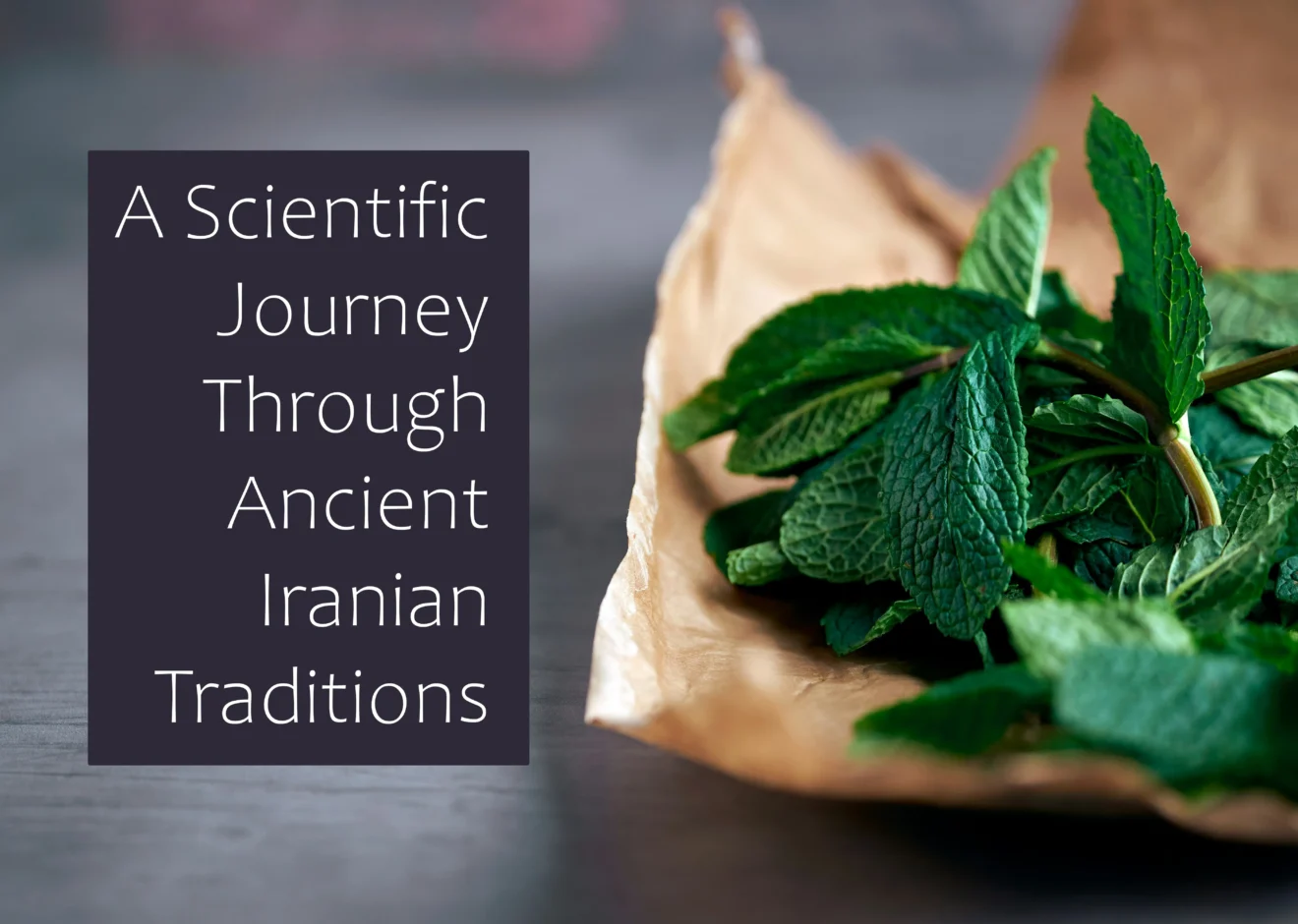
A Scientific Journey Through Ancient Iranian Traditions
Introduction
Persian cuisine, with its thousands of years of brilliant history, holds a special place among world cuisines not only for its exquisite flavors and aromas, but also for its remarkable nutritional wisdom and health benefits. One of the most distinctive elements of this rich culinary tradition is the extensive use of fresh herbs and medicinal plants that not only enhance the taste of dishes but also provide significant health benefits for those who enjoy them.
Sabzi Khordan (fresh herb platter) is a cornerstone of every Persian meal, gracing dining tables across Iran and beyond. This ancient tradition, rooted in traditional Persian medicine, has gained even greater significance today as modern nutritional science validates what Persian ancestors knew intuitively centuries ago.
The Cultural Foundation of Fresh Herbs in Persian Dining
A Heritage of Wellness
For generations, Iranians have consumed fruits, vegetables, and medicinal plants for their health benefits—benefits that have only recently been discovered in other parts of the world. This demonstrates the profound nutritional wisdom of our ancestors and their deep understanding of healthy eating principles.
The traditional Persian herb platter includes a carefully curated combination of fresh plants and raw vegetables: basil, mint, parsley, tarragon, cilantro, scallions, and radishes. This unique blend not only balances the flavors of the meal but also creates a nutritionally complete and harmonious dining experience.
Roots in Traditional Persian Medicine
Traditional Persian medicine is built upon the principle of balancing the four temperaments (hot, cold, dry, moist). The fresh herb platter serves as one of the primary methods for achieving harmony between hot and cold foods. This scientific approach, developed centuries ago, remarkably aligns with modern nutritional research and our understanding of balanced eating.
The Science Behind Persian Herb Consumption
Antimicrobial and Antioxidant Properties
All aromatic plants such as mint, basil, and other fragrant herbs share four common characteristics: they are anti-flatulent, analgesic, antispasmodic, and antimicrobial. These properties stem from their natural phenolic compounds and essential oils.
Scientific research has revealed:
- Anti-inflammatory benefits: Plants in the mint family, including basil and mint, contain powerful flavonoid compounds with strong anti-inflammatory properties.
- Immune system support: These small but mighty plants may help boost immunity, prevent disease, support weight management, improve organ function, reduce inflammation, promote heart health, and help manage diabetes.
Specific Benefits of Persian Herb Platter Components
Tarragon and Parsley

These two herbs are excellent sources of vitamin K, vitamin C, and folate. Vitamin K plays a crucial role in blood clotting and bone health, making these herbs particularly valuable for maintaining strong bones and proper circulation.
Scallions and Green Onions

Green onions belong to the allium family and are rich in vitamin K, with research suggesting they may help reduce cancer risk. The nutrient choline found in scallions makes them excellent for muscle strengthening and improving nervous system and brain function.
Basil
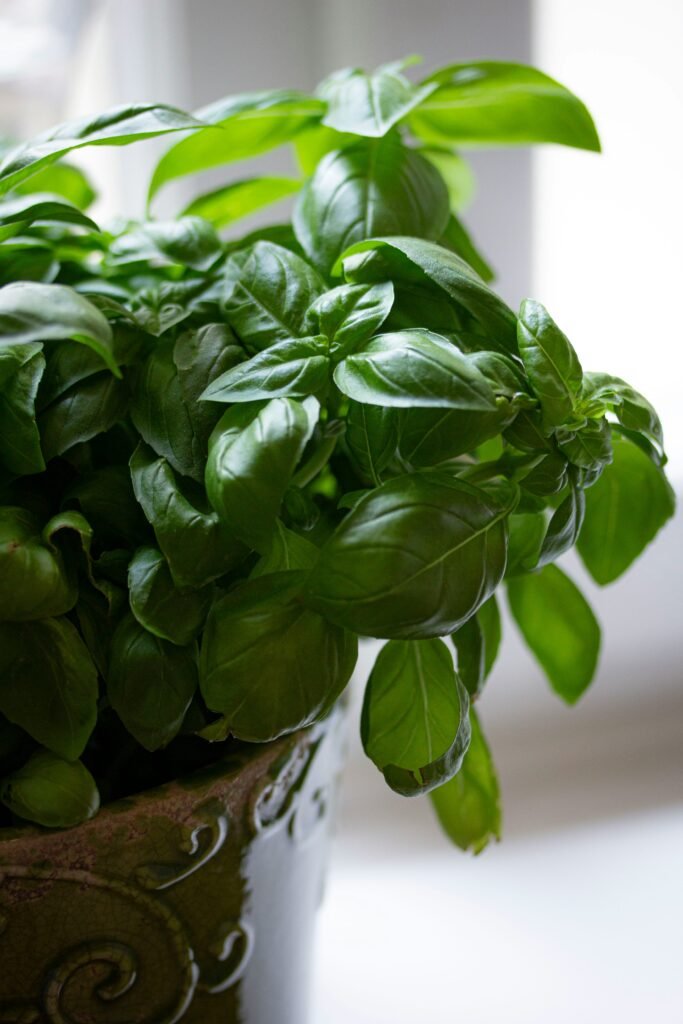
Basil is a rich source of antioxidants such as eugenol and linalool, which possess antibacterial and antiviral properties. These compounds help the body fight off infections naturally while supporting overall wellness.
Mint
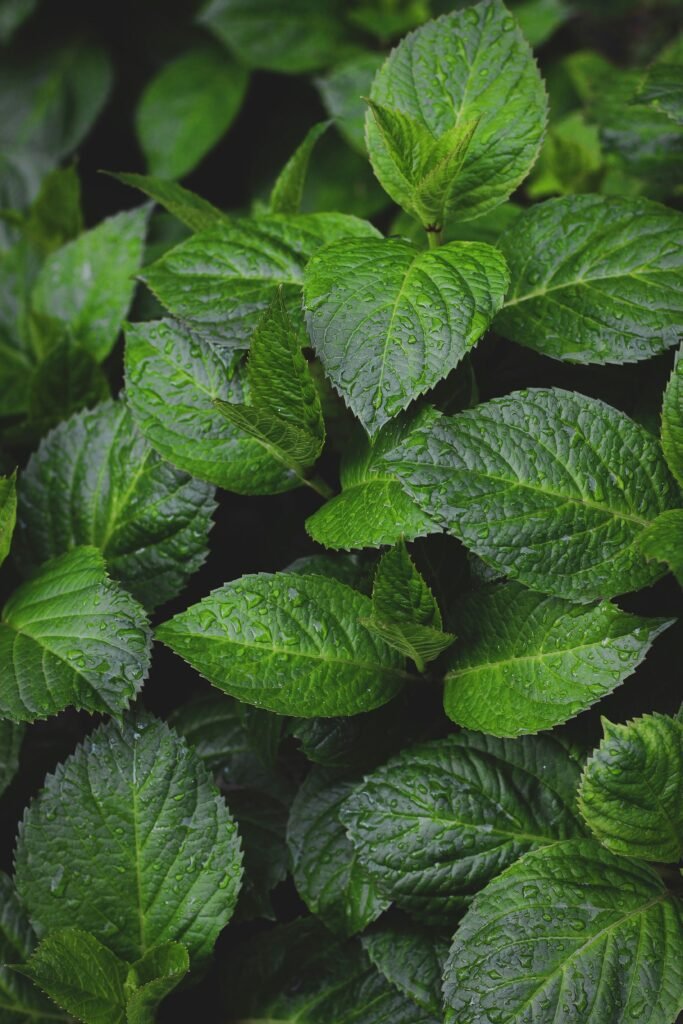
Mint contains menthol, which aids digestion, soothes stomach discomfort, and reduces bloating. This cooling herb has been treasured for centuries for its ability to calm the digestive system.
Cilantro
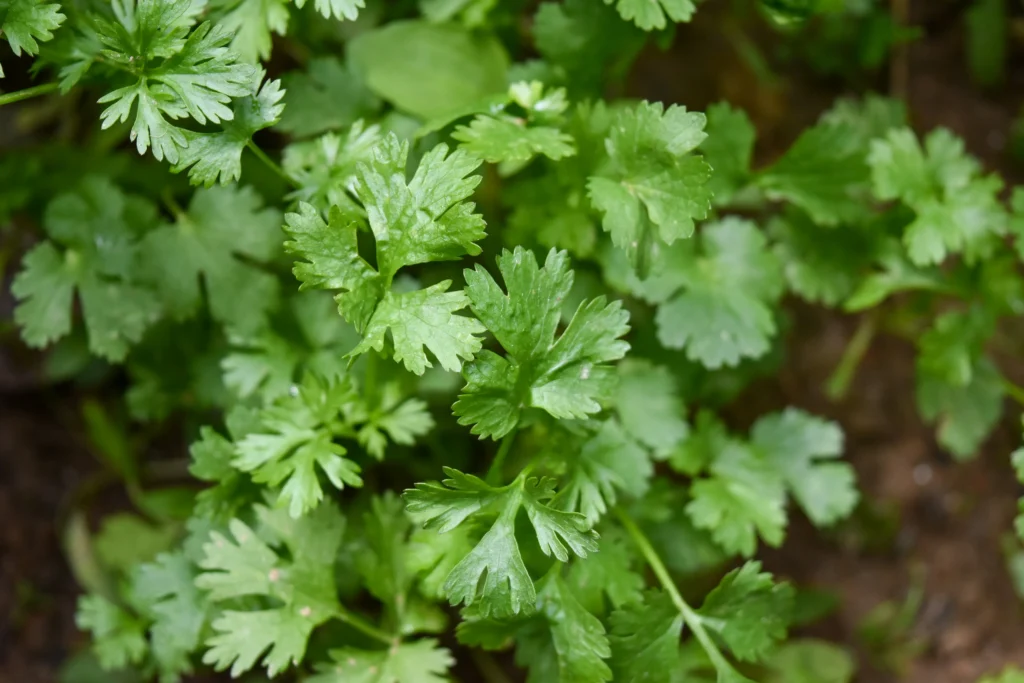
Cilantro is an excellent source of iron, manganese, and vitamins A and K. It also possesses antifungal and antibacterial properties, making it a natural defender against harmful microorganisms.
Impact on Digestive Health
Regulating Gut Microbiome
Fresh vegetables contain prebiotic fibers that nourish beneficial gut bacteria. This leads to:
- Improved nutrient absorption
- Enhanced immune system function
- Reduced intestinal inflammation
Facilitating Digestion
The medicinal benefits include protection against coughs, colds, and common infections, as well as treating constipation. Natural enzymes present in fresh vegetables help break down proteins and fats, making meals easier to digest and nutrients more bioavailable.
Role in Managing Chronic Diseases
Combating Cardiovascular Disease
Studies have shown that regular consumption of leafy green vegetables rich in nitrates helps reduce blood pressure and improve cardiovascular function. The heart-protective compounds in these herbs work synergistically to support long-term heart health.
Blood Sugar Control
The soluble fibers found in fresh herbs help slow sugar absorption and regulate blood glucose levels. This makes the Persian herb platter particularly beneficial for individuals managing diabetes or prediabetes.
Anti-Cancer Properties
These plants may even have anti-cancer effects. The glucosinolates found in umbrella family vegetables like parsley and cilantro possess anti-cancer properties, offering potential protection against various forms of cancer.
Connection to Modern Nutritional Science
Nutrient Density
Fresh vegetables provide high concentrations of vitamins, minerals, and phytochemical compounds while being remarkably low in calories. This makes them an ideal choice for healthy eating patterns and weight management.
Nutritional Synergy
The diverse combination of vegetables in the Persian herb platter creates nutritional synergy that enhances nutrient absorption. For example, the vitamin C in parsley increases iron absorption from other food sources, maximizing the nutritional value of the entire meal.
Impact on Mental Health
Reducing Oxidative Stress
The antioxidants found in fresh vegetables help reduce oxidative stress in the brain, which can positively impact cognitive function and reduce the risk of neurodegenerative diseases (3, 5). This brain-protective effect contributes to long-term mental clarity and wellness.
Mood Regulation
Some studies have shown that regular consumption of leafy green vegetables can help improve mood and reduce symptoms of depression (8, 9). The folate and other B-vitamins in these herbs support neurotransmitter production and mental well-being.
Environmental Sustainability
The tradition of fresh herb consumption in Persian cuisine is valuable not only from a health perspective but also from an environmental sustainability standpoint:
- Lower water consumption: Producing leafy vegetables requires significantly less water than animal proteins
- Reduced carbon footprint: Transportation and production of local vegetables have minimal environmental impact
- Biodiversity preservation: Using various native plants helps preserve valuable plant genetics
Practical Strategies for Maximum Benefits
Selection and Storage
- Choose the freshest vegetables available
- Store in the refrigerator in appropriate bags or containers
- Wash thoroughly before consumption
Recommended Combinations
- Classic Persian herb platter: Mint, basil, parsley, cilantro, scallions, tarragon
- Spring variation: Watercress, radishes, lettuce, green onions
- Summer blend: Purslane, celery, fenugreek leaves
Adapting to Different Dietary Patterns
The Persian herb platter is compatible with all types of dietary approaches:
- Vegan diet: Completely plant-based
- Keto diet: Very low carbohydrate content
- Mediterranean diet: Rich in fresh vegetables
The Modern Persian Kitchen
Today’s health-conscious consumers are rediscovering the wisdom embedded in Persian culinary traditions. The fresh herb platter represents more than just a side dish—it’s a complete nutritional strategy that supports:
- Digestive wellness: Through fiber and natural enzymes
- Disease prevention: Via antioxidants and anti-inflammatory compounds
- Weight management: Through nutrient density and satiety
- Mental clarity: By supporting brain health and cognitive function

A Bridge Between Tradition and Science
What makes Persian cuisine particularly fascinating is how seamlessly ancient wisdom aligns with modern nutritional science. The practice of consuming fresh herbs wasn’t just about taste—it was an intuitive understanding of what the body needs to thrive.
Contemporary research continues to validate these traditional practices, revealing that our ancestors were remarkably sophisticated in their approach to nutrition and wellness. The Persian herb platter serves as a perfect example of how traditional food wisdom can inform modern healthy eating patterns.
Conclusion
The tradition of fresh herb consumption in Persian dining customs represents a brilliant example of harmony between ancient wisdom and modern science. This time-honored practice, formed through thousands of years of experience, has now demonstrated its profound importance through the backing of contemporary scientific research.
Persian cuisine emphasizes the use of fresh, natural ingredients to create healthy, nourishing meals. This approach not only contributes to individual health but also offers significant benefits from social and environmental perspectives.
In today’s world, where chronic diseases and nutritional problems are on the rise, returning to these valuable traditions can provide an effective and natural solution. The Persian herb platter not only makes our tables more beautiful and flavorful but also ensures the health and well-being of our families.
This ancient practice teaches us that good health doesn’t require complicated supplements or processed foods—sometimes the most powerful medicine comes from the simple act of enjoying fresh herbs with our meals. As we continue to navigate modern health challenges, the wisdom of Persian cuisine offers a time-tested path to wellness that is both delicious and scientifically sound.
The Persian herb platter stands as a testament to the sophistication of traditional food cultures and their enduring relevance in our modern world. By embracing these practices, we connect with centuries of culinary wisdom while nourishing our bodies with some of nature’s most powerful healing foods.
References
- Anderson, J. W., et al. (2009). Health benefits of dietary fiber. Nutrition Reviews, 67(4), 188-205.
- Blekkenhorst, L. C., et al. (2018). Cruciferous and total vegetable intakes are inversely associated with subclinical atherosclerosis in older adult women. Journal of the American Heart Association, 7(8), e008391.
- Boeing, H., et al. (2012). Critical review: vegetables and fruit in the prevention of chronic diseases. European Journal of Nutrition, 51(6), 637-663.
- Hosseini, A., & Hosseinzadeh, H. (2015). A review on the effects of Allium sativum (Garlic) in metabolic syndrome. Journal of Endocrinological Investigation, 38(11), 1147-1157.
- Kris-Etherton, P. M., et al. (2002). Bioactive compounds in foods: their role in the prevention of cardiovascular disease and cancer. The American Journal of Medicine, 113(9), 71-88.
- Liu, R. H. (2013). Health-promoting components of fruits and vegetables in the diet. Advances in Nutrition, 4(3), 384S-392S.
- Mozaffarian, D. (2016). Dietary and policy priorities for cardiovascular disease, diabetes, and obesity: a comprehensive review. Circulation, 133(2), 187-225.
- Pollard, J., et al. (2002). Factors affecting food choice in relation to fruit and vegetable intake: a review. Nutrition Research Reviews, 15(2), 373-387.
- Satija, A., & Hu, F. B. (2018). Plant-based diets and cardiovascular health. Trends in Cardiovascular Medicine, 28(7), 437-441.
- Slavin, J. L., & Lloyd, B. (2012). Health benefits of fruits and vegetables. Advances in Nutrition, 3(4), 506-516.